Royal Bolton Hospital is among a number of Greater Manchester hospitals to have begun rolling-out a new artificial intelligence tool that could help diagnose prostate cancer faster – helping doctors identify the men who need urgent treatment first.
The technology is being introduced at hospitals in Bolton, Wigan, Stockport and Salford as part of a pilot led by Greater Manchester Cancer Alliance.
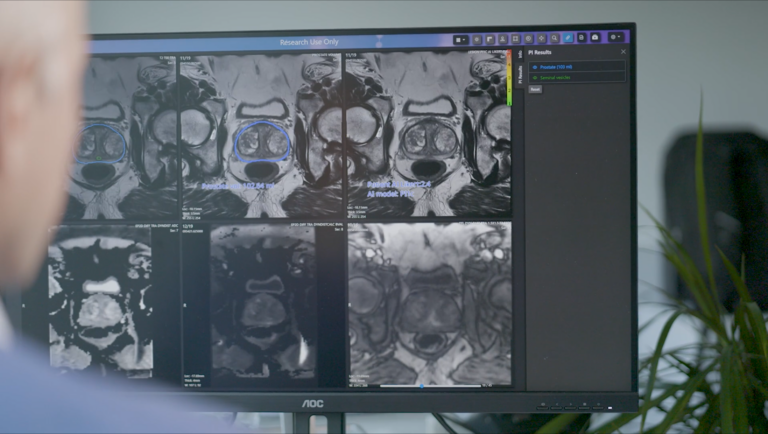
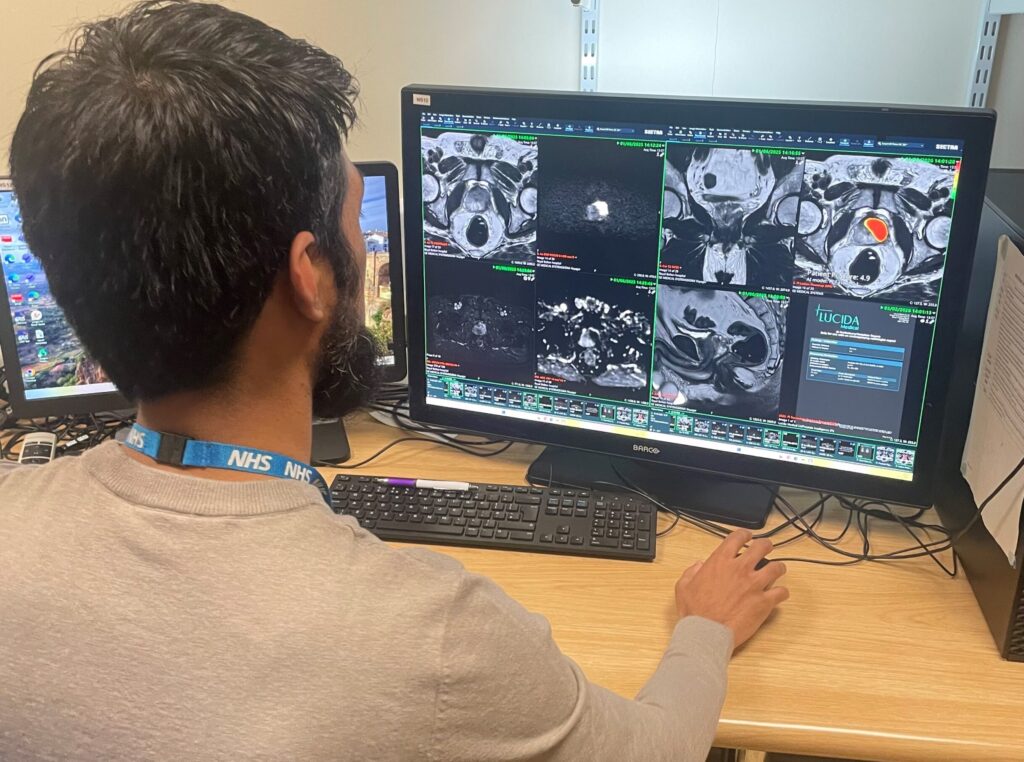
A new AI tool will analyse prostate MRI scans using validated NHS data and flag scans that are most likely to show cancer, allowing radiologists to prioritise patients at highest risk.
Dr Rhidian Bramley, a consultant radiologist and Clinical Lead for AI at Greater Manchester Cancer Alliance, said:
“This tool supports our radiologists by highlighting the scans most likely to show prostate cancer, helping us identify and rule out the disease more quickly.
“By prioritising the most suspicious cases first, we can diagnose men sooner and ensure those who need treatment most urgently are seen without delay.
“We hope this pilot will show how AI, used in the right way, can deliver real improvements in patient care and experience.”
Prostate cancer affects 1 in 8 men and is the most common cancer in men in the UK. While early detection dramatically improves outcomes, around half of prostate cancers are still diagnosed at a late stage after the disease has already spread.
Dr Rauf Munshi, Medical Director at Bolton NHS Foundation Trust, said:
“We’re really proud to be using the latest developments in Artificial Intelligence to support our highly skilled radiologists in diagnosing prostate cancer at the earliest possible opportunity.
“We know that the quicker we can diagnose cancer, the quicker we can provide access to life-changing care and treatment to improve outcomes for our patients and their families.”
Men with suspected symptoms or raised PSA blood test results are usually referred for an MRI scan to rule out cancer or determine whether further investigation is needed. The new AI system aims to speed up this process and improve accuracy.
Mr Jeremy Oates, a prostate cancer surgeon and Clinical Lead for Prostate Cancer at Greater Manchester Cancer Alliance, said:
“This is an exciting development for patients and clinicians. This technology has the potential to improve detection of early-stage prostate cancers.
“The new AI system aims to speed up this process and support reporting accuracy.
“As part of the wider programme a service evaluation will be undertaken to demonstrate the impact on diagnosis.”
In Greater Manchester, the pilot is being delivered across four NHS trusts:
- Northern Care Alliance NHS Foundation Trust: Salford Royal Hospital
- Stockport NHS Foundation Trust: Stepping Hill Hospital
- Bolton NHS Foundation Trust: Royal Bolton Hospital
- Wrightington, Wigan and Leigh Teaching Hospitals NHS Foundation Trust (WWL): Royal Albert Edward Infirmary; Wrightington Hospital, Leigh Community Diagnostic Centre.
It will use Lucida Medical’s Prostate Intelligence (Pi™) technology. Other pilots are also taking place in Yorkshire, East England and the South West.
Dr Antony Rix, CEO and Co-founder of Lucida Medical, said:
“It is exciting to see Prostate Intelligence (Pi™) going into clinical use across Greater Manchester. We are looking forward to working together with the Trusts and Cancer Alliance to help men with suspected prostate cancer receive a faster and more accurate diagnosis.”

Health Minister Baroness Merron said:
“Everyone deserves access to the best possible cancer care, and this government is determined to harness the latest technology to help make that a reality.
“This pilot in Greater Manchester is a powerful example of how AI can support NHS staff to diagnose prostate cancer faster, prioritise the men most at risk, and ensure patients get the care and treatment they need as quickly as possible.
“Our National Cancer Plan sets out our ambition to transform cancer care, and backing innovations like this is exactly how we are delivering on that promise — using technology to support clinicians, improve accuracy and help patients benefit from earlier diagnosis.”
The project has been welcomed by Phil Ormesher, Chair and Trustee :Prostate Cancer Support.
He said:
“For men worried they may have prostate cancer, waiting for test results can be one of the most anxious times. Any innovation that helps identify those most at risk more quickly and reduces delays to diagnosis is a positive step.
“It’s encouraging to see Greater Manchester piloting technology that supports clinicians to prioritise the men who need urgent attention, while maintaining expert clinical oversight. Used responsibly, AI has the potential to improve both the speed and consistency of diagnosis.
“We look forward to seeing the results of this pilot and hope it will help more men receive an earlier diagnosis, when prostate cancer is often much more treatable, while also giving patients confidence that new technologies are being introduced safely and alongside specialist expertise.”
Prostate Intelligence (Pi™) is now being rolled out across four NHS Trusts in Greater Manchester as part of a pilot funded through the NHS Cancer Programme and supported by SBRI Healthcare.
This work was commissioned and funded by the NHS Cancer Programme, with the support of SBRI Healthcare. The views expressed in the publication are those of the author(s) and not necessarily those of the NHS Cancer Programme or its stakeholders.