- Bolton NHS Foundation Trust researchers helping to transform lives of stroke survivors
- Triceps trial uses new non-invasive treatment to stimulate key nerve to reduce hand and arm weakness
- Around 1 in 3 stroke survivors suffer with permanent hand and arm weakness following a stroke
Researchers at Bolton NHS Foundation are helping to transform the lives of people living with hand and arm weakness following a stroke.
The Trust is one of 19 NHS centres across England taking part in the Triceps trial, which has now recruited more than 200 people to take part.
The trial, lead by researchers at Sheffield Teaching Hospitals NHS Foundation Trust and the University of Sheffield, is open to anyone over the age of 18 living with arm and hand weakness whose stroke occurred between six months and ten years ago and who are not currently undergoing rehabilitation therapy.
Once complete, the £2m trial could lead to the rollout of a new treatment which delivers electrical pulses to the brain during rehabilitation therapy, at cost and at scale.
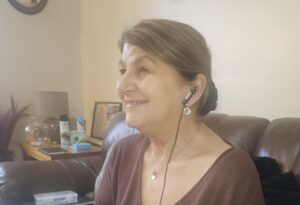
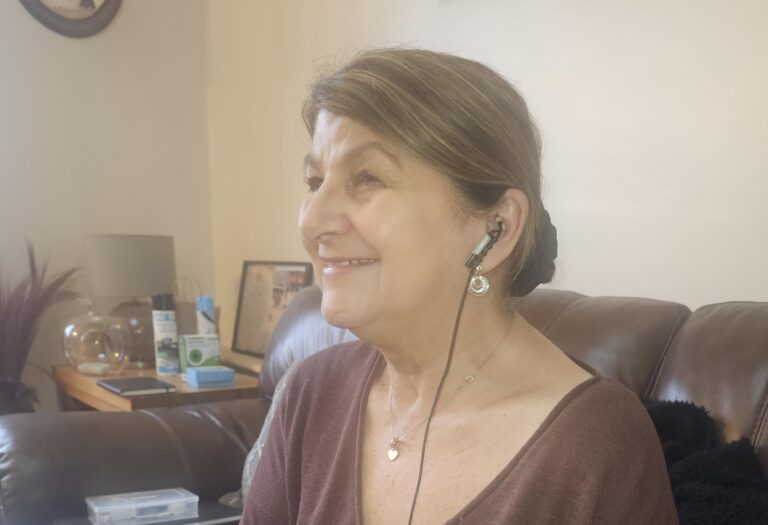
The treatment known as transcutaneous (through the skin) vagus nerve stimulation (TVNS) involves stimulating a key nerve called the vagus nerve, using a wearable device which connects to a wired earpiece.
By pairing the treatment with a lightweight, portable pacemaker-like device, the trial aims to demonstrate that hand and arm weakness in stroke survivors can be improved whilst rehabilitation therapy is undertaken at home, providing convenience and easy access to patients.
Previous research using trans vagus nerve stimulation has shown huge promise. However, in these trials the electrical stimulator was surgically implanted in the chest to deliver the stimulation to damaged parts of the brain using vagus nerve stimulation
Triceps is one of the first non-invasive trials of its kind to see whether the treatment can improve hand and arm weakness in stroke survivors.
Around a third of stroke survivors suffer with permanent hand and arm weakness following a stroke, limiting their ability to carry out everyday activities.
Triceps was originally set up to recruit up to 243 patients. However, following an interim independent analysis of data, which has been reviewed by an external oversight committee this has been expanded to 270 patients – meaning even more patients across the country could benefit.
As Triceps is double blinded neither patients nor the researchers will know whether the treatment received or given is the TVNS or placebo whilst the trial is still active.
Professor Arshad Majid, Consultant Neurologist at Sheffield Teaching Hospitals NHS Foundation Trust and Professor of Cerebrovascular Neurology at the University of Sheffield and chief investigator of the trial said:
“Stroke is the leading cause of severe disability and can have a huge, long-lasting effect on someone’s life. This study offers real hope for people living with arm weakness after stroke, a highly disabling problem that affects independence, quality of life, and recovery for many stroke survivors. We’re really excited to be close to the final stages of this part of the study, as the sooner we finish recruiting; the sooner we can seek to make this promising new treatment more widely available to stroke survivors throughout the country.”
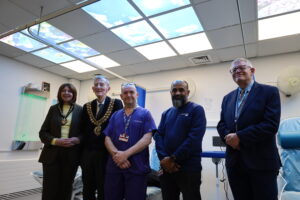
Linda Wilson, Highly Specialist Occupational Therapist at Bolton NHS Foundation Trust, said:
“Bolton Community Stroke Team are thrilled to have joined a research trial which could transform the lives of people living here in Bolton.
“Stroke survivors can experience a number of challenges in their recovery and these advancements in healthcare and technology could change the way people go about their everyday lives, without the need for invasive surgery.”
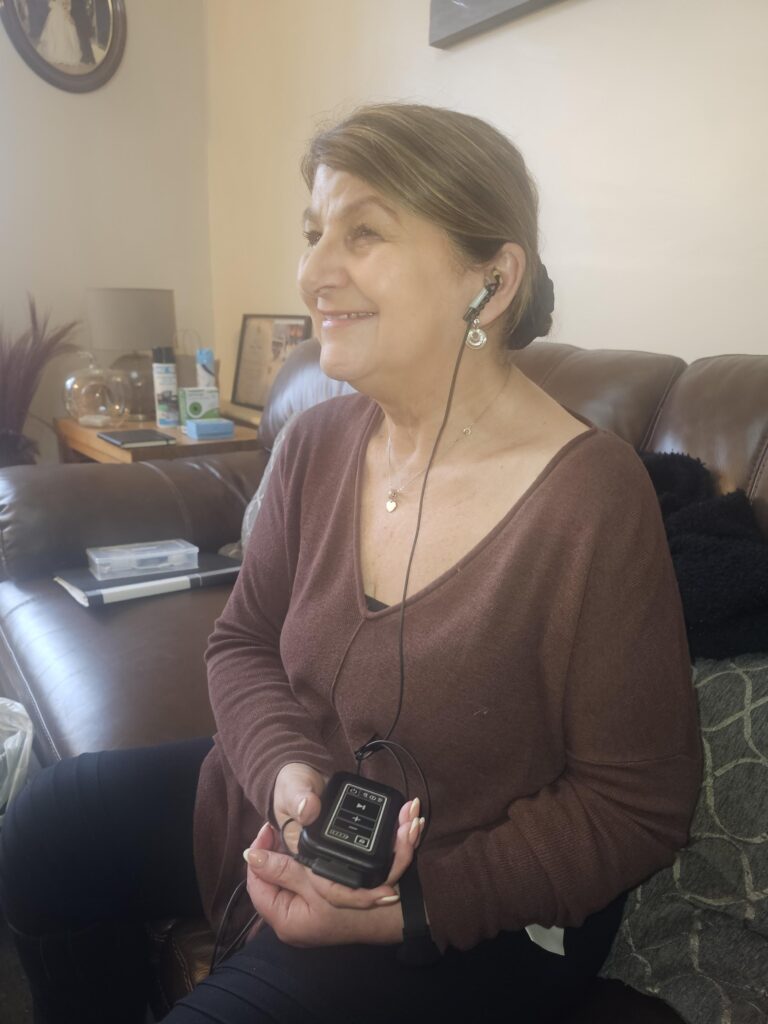
Participants will wear the device for one hour, five times a week during home stroke rehabilitation with support from community therapists. Some participants will also use the device during daily activities over 12 weeks.
Dawn is among those taking part in the trial at Bolton, she said:
“Since starting the trial, I have noticed an improvement with my strength and Flexibility. By using the device daily it gives me a consistent routine to focus my stroke rehabilitation.”
The trial design and set up has been supported by the Sheffield Stroke and Aphasia Interest Group, who will continue to be involved throughout the running of the trial. It is also being supported by the NIHR Sheffield Biomedical Research Centre and NIHR Sheffield Clinical Research Facility.
To find out more about the trial contact triceps@sheffield.ac.uk or visit the website at www.triceps-trial.com.