- People living in the centre of Bolton are being empowered to take charge of their own care
- Proactive Care team is partnering with GP surgeries to offer full health assessments
- Aim is to help people stay well with their long-term conditions before they worsen and require hospital
People living in one of Bolton’s most deprived neighbourhoods are receiving health support for long-term conditions in their own homes through a new pilot empowering people to take charge of their own care.
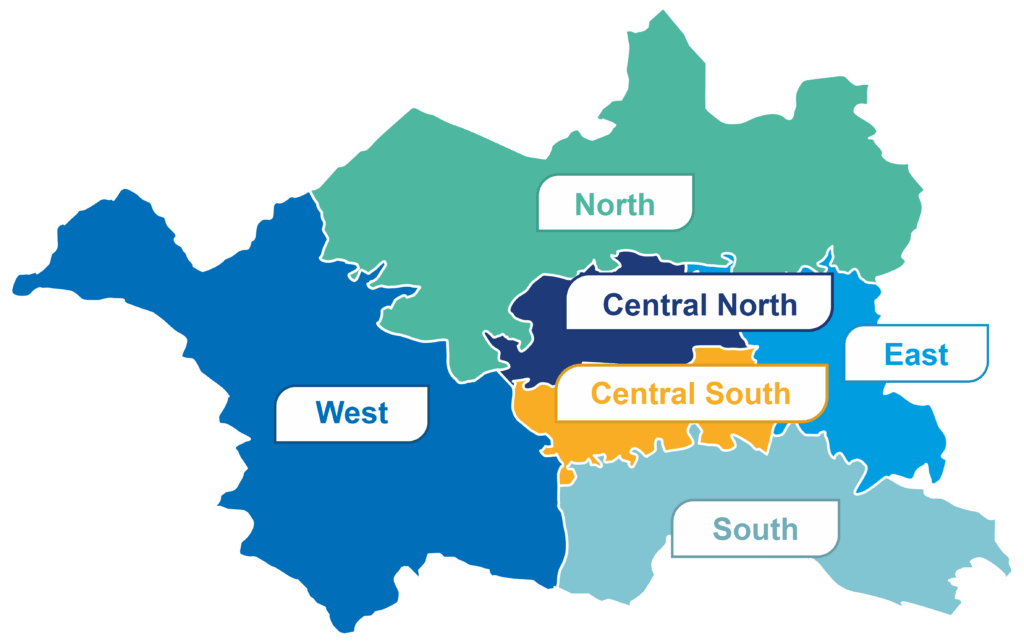
Bolton NHS Foundation Trust’s Proactive Care team are partnering with GP surgeries in the Central South neighbourhood to offer full health assessments in people’s homes.
They work with people over the age of 65 with moderate to severe frailty, their families and healthcare providers to identify health conditions and needs at the earliest possible opportunity, before they worsen and risk needing hospital treatment.
On Tuesday 10 March 2026, the Proactive Care team offered a glimpse into their innovative way of working as part of a social media takeover on Bolton NHS Foundation Trust’s Instagram and Facebook.
8.35am – Multi-disciplinary team (MDT) meeting
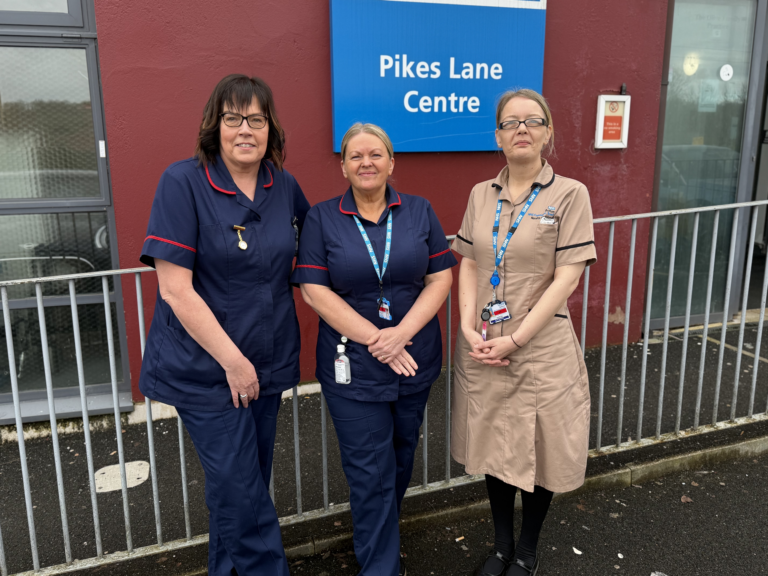
The Proactive Care team is made up of two Registered Nurses, Lorraine Hill and Deb Jones, and a Registered Nurse Associate, Louise Day, who are based at Pikes Lane Centre.
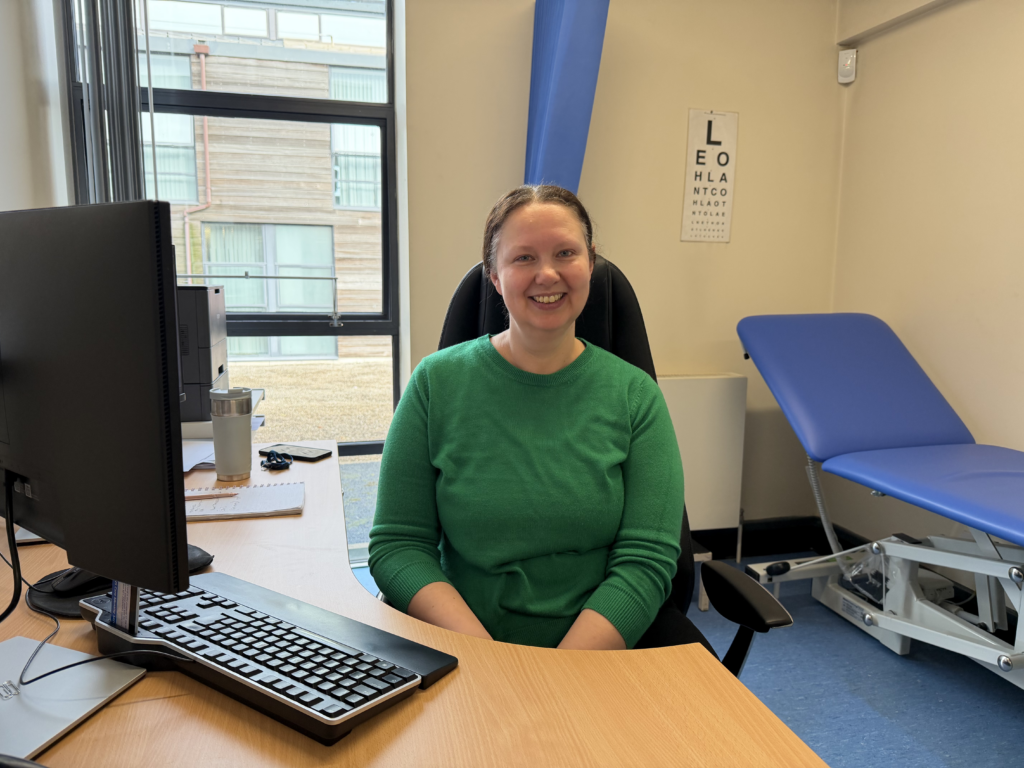
First up on their agenda is meeting with Dr Alicia Speller, a GP based at Pikes Lane, for a multi-disciplinary team meeting where they review some of the people they’re working with.
Deb said:
“This regular meeting allows us to discuss conditions that may need further investigation of treatment. We’re also able to look at mental wellbeing and support and whether we need to signpost people to organisations who can provide the support they need.
“One our key aims is to keep people living well at home. Having this connection with a GP makes sure we can provide a holistic approach by taking into account other factors in people’s lives.”
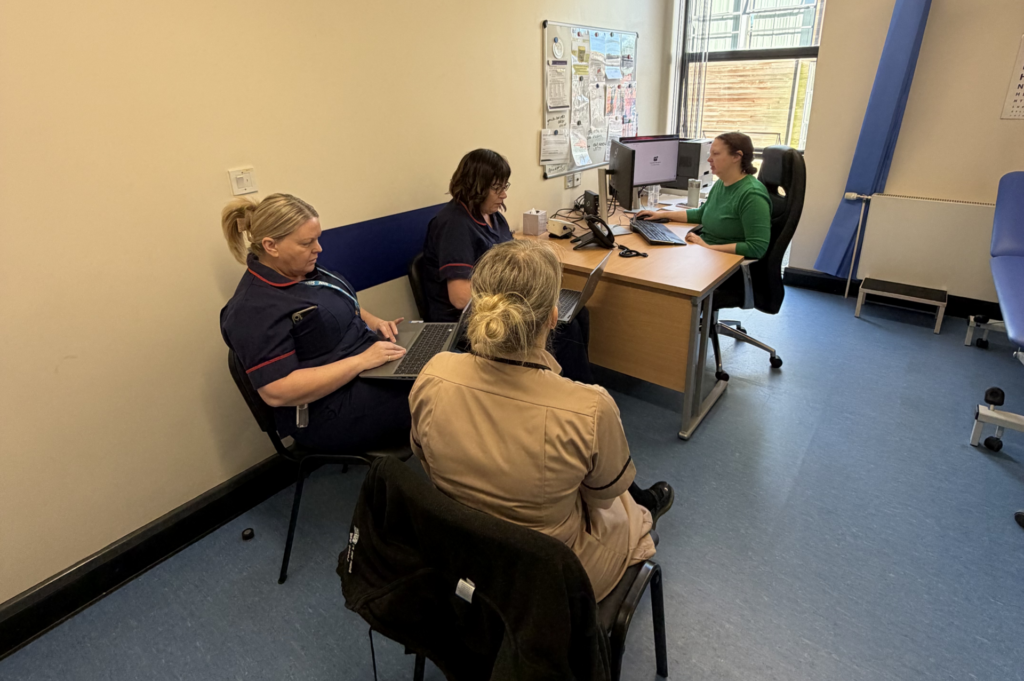
Coordinating care in this way ensures people have access to the resources they need.
Dr Alicia Speller said:
“We’ve been meeting now for nearly three months to discuss some of our most vulnerable patients. We’re able to see what’s going on in their home lives, what their care situation is like, so information which might not normally know as a GP, and then practically put things in place to support that person.
“The nurses have been able to visit patients in their own home to see what challenges they might be facing when it comes to getting and staying well, which doesn’t always come up in a ten-minute GP consultation. As they have more time, they’re also able to sensitively have conversations about Advanced Care Planning and can identify what wider support they need at home.
“We’re building up relationships and trust with people to speak more confidently about their health and wellbeing.”
10.30am – Visiting people in the comfort of their own home
The Central South neighbourhood has a population of approximately 85,000 people, and was selected to pilot the Proactive Care team based on data, which revealed:
- 70% of the population live in an area among the 20% most deprived in England.
- Life expectancy is lower than the Bolton average and has the highest smoking rate in Bolton.
- It has the highest number of Emergency Department attendances and is amongst the highest for unplanned admissions with respiratory and cardio-vascular disease.
After the morning meeting, the team plan visits to follow-up with some of the patients they’re providing care for.
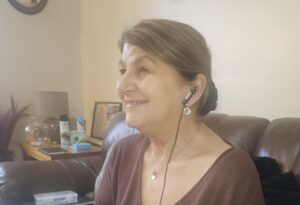
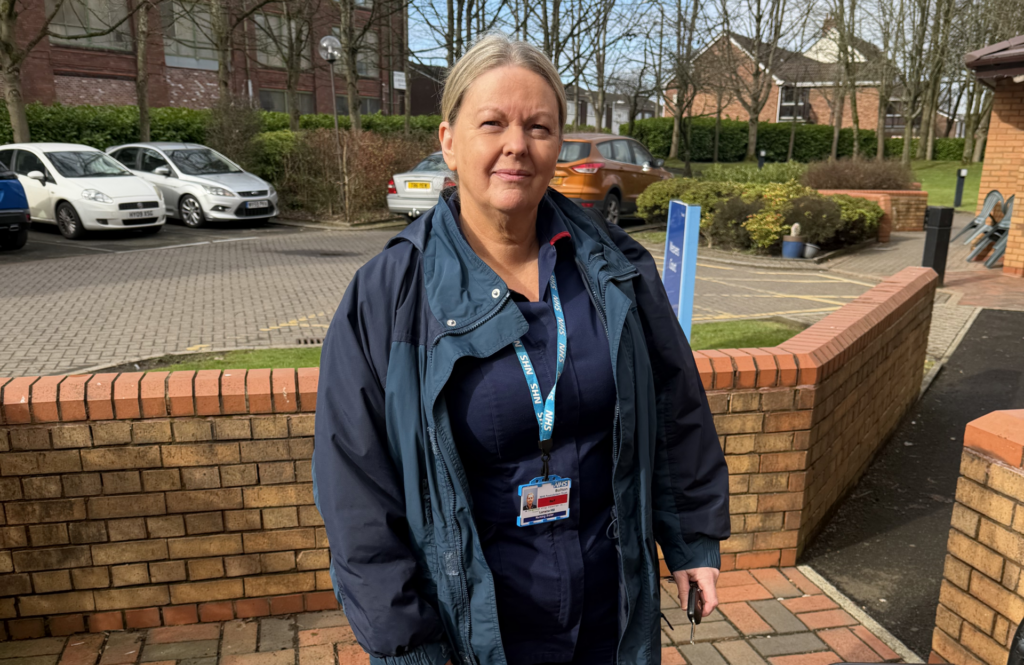
Lorraine has visited Pauline to review the team’s care interventions:
“We have made a number of visits over the past few weeks to try and keep Pauline well and active, out of hospital, and manage some of her long-term conditions.
“This morning we’ll review some of the steps we’ve put in place and make sure she’s generally doing ok.”
Pauline is managing a number of long-term conditions and is currently waiting for an operation to reduce pain she’s experiencing in her hip.
Pauline said:
“I’m doing better than I was. The pain isn’t too bad, I received some new pain killers this week to help me feel better. I’m doing what I can to keep myself busy. I’ve also got an appointment with the therapy team, who will help me with exercises so that I’m ready for surgery.
“I’m very grateful to the team for everything they are doing to look after me. It’s comforting to know they’re visiting me regularly to make sure I have the support I need to get better.”
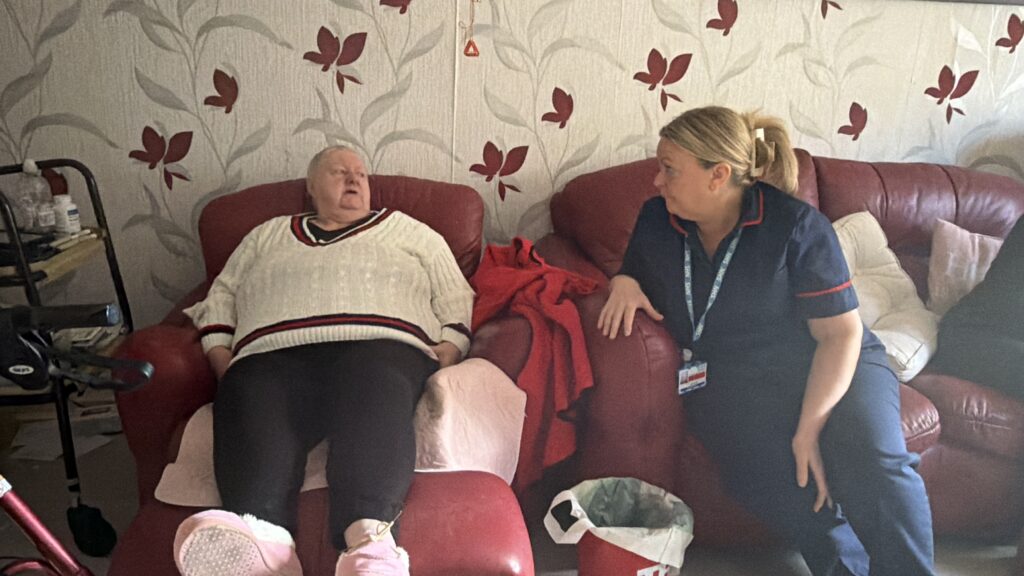
Lorraine added:
“Pauline’s reduced mobility at the moment makes it more difficult for her to travel to appointments at health centres or the hospital. Our team are able to reduce that barrier and make sure Pauline can access the care she needs and prevent her conditions becoming more serious.”
During the visit, Lorraine discussed an Advanced Care Plan with Pauline, which sees them explore options and priorities for what she wants her future care to look like.
Mental wellbeing support
Feedback collected since September has been rating the service 100% positive, with themes highlighting how they were treated with dignity and respect and were involved in decisions about their care and treatment.
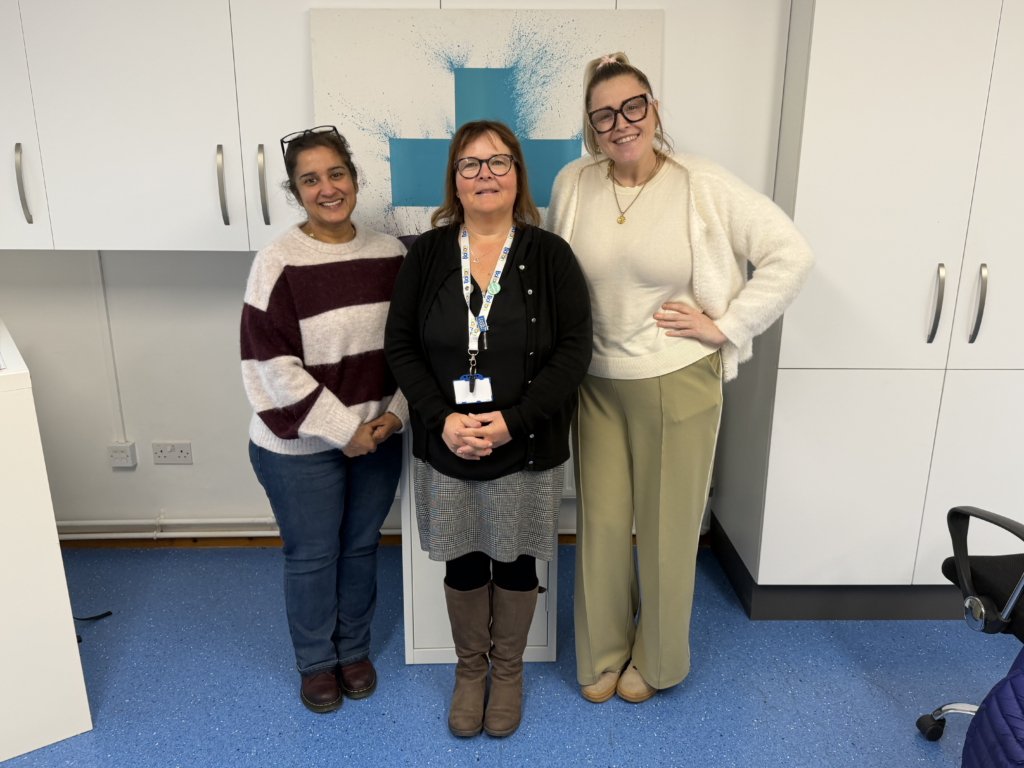
Nurse Associate Louise recently supported a woman who was experiencing social isolation and low mood.
Louise said:
“This lady had dental pain, which was stopping her from enjoying meals and was causing discomfort. We helped facilitate a dental appointment, and a dental abscess was treated with antibiotics.
“Once she was feeling better, I walked with her to the Talking Tables group at her local library, a free weekly session bringing people together for a chat, and stayed with her for her confidence. Whilst we were there, she met an old friend who she grew up with in India. They now walk together to the library each week.
“It fills me with pride and joy to be able to help people and know that we’re making a real difference in their lives.”
‘Live healthier lives, out of hospital’
The team was formed in September 2025 under a pilot in line with the Government’s ambitious ‘10 Year Health Plan for England’, which includes a significant focus on moving from hospital-based care to community care.
One of the first GPs to support the pilot was Dr Saveena Ghaie, the Clinical Director of Rumworth Primary Care Network.
“So much of what GPs do at the moment is what we call reactive care, assessing patients, typically within the GP surgery, who are acutely unwell and offering them advice and treatment to get better.
“What we don’t usually get to do is see patients in their own home, assessing them holistically, reviewing everything that is happening in their home lives, in their environment in their social circle and and tying that together with their physical and mental health.
“This is an opportunity for us to work in a different way and work together to make sure that those patients remain healthier and avoiding unnecessary hospital admissions.
“This has involved lots of different approaches such as offering exercise and mobility advice to allow patients to live independently at home and to keep them strong and reduce falls.
“We hope that many more patients will benefit from this approach and live healthier lives, out of hospital.”
You can watch highlights from the ‘Day in the life of with Proactive Care’ on Bolton NHS Foundation Trust’s Instagram page.