
To stay well and avoid any last-minute health worries over the Easter weekend (3 – 6 April), Bolton NHS Foundation Trust is sharing advice about how to access NHS services.
The Easter weekend sees a rise in demand for the number of people who require care and treatment, and services will be reduced when resident doctors go on strike for six days from 7am on Tuesday 7 April until 7am on Monday 13 April.
Knowing where to go for medical help over Easter weekend and during industrial action can save time and ensure people get the right care quickly.
Dr Rauf Munshi, Medical Director at Bolton NHS Foundation Trust, said:
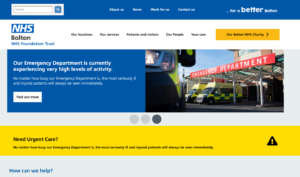
“Our Emergency Department is always here to help in a life or limb-threatening emergency, and our teams will make sure the sickest patients get the help they need first.
“We have robust plans in place to manage any increase in demand over the Easter weekend and during industrial action, but it’s important people choose the most appropriate service for their needs so that our urgent care services are ready to help those who need it most.
“Even once industrial action is over, we’ll continue to face pressure as our services resume to full levels of activity so please do make sure you know the best way to access services for your health needs during this challenging time.
“If you are ever unsure about where to go, NHS 111 online can provide advice for your symptoms.”
NHS 111
If you need medical advice, visit 111.nhs.uk or call 111, where trained professionals can guide you to the right service or book an urgent appointment if necessary.
When using NHS 111 and your child is under 5 years of age, always call instead of using the online service.
The call is free and the service is open 24 hours a day. If you need help in another language, call 111 and ask for an interpreter. If you have a hearing problem or need a BSL interpreter there are other ways to contact 111.
GP out of hours
Use GP out of hours by phoning your own GP surgery and following the instructions on the answering machine. Alternatively, you can phone BARDOC directly on 0161 763 8940.
Pharmacy
Opening hours may vary over Easter – Bank Holiday pharmacy opening hours | Greater Manchester Integrated Care Partnership.
Pharmacists can provide expert advice and treatment for common conditions such as urinary tract infections (UTIs), sore throats, and skin infections without the need for a GP appointment.
Find your nearest pharmacy on the NHS website.
Urgent dental care
If your practice is closed or you don’t have a dentist, call the Greater Manchester Dental Helpline on 0333 332 3800 (8am – 10pm daily, including bank holidays). Charges may apply unless you are exempt.
Urgent eye care
Greater Manchester’s Urgent Eyecare Service (UES) provides free NHS treatment. Go to the website to find your nearest participating optician.
Repeat prescriptions
Anyone who relies on regular medication should order repeat prescriptions at least one week before Easter to avoid running out over the long holiday weekend. The NHS App offers the quickest and easiest way to request prescriptions and choose a pharmacy for collection.
Mental health support over Easter
Mental health services remain open throughout the bank holiday weekend. If you need urgent mental health help, call NHS 111 and select Option 2.
Emergency Department
If someone is seriously ill, injured, or their life is a risk, always call 999 or go to the Emergency Department at Royal Bolton Hospital.
This might include:
- Severe chest pains
- Difficulty breathing
- Bleeding you can’t stop
- Possible broken bones
- Loss of consciousness
- Stroke symptoms
- Severe tummy pain or headache
- A child who is very unwell
Urgent Treatment Centre
The Urgent Treatment Centre at Royal Bolton Hospital is equipped to deal with both illnesses and minor injuries.
People may be referred to the UTC if they attend the Emergency Department with a minor condition, where they will be offered a pre-booked appointment. Appointments are also available by calling 111.
Be prepared at home
Keeping a few basics at home can help you manage minor illnesses over Easter.
The NHS recommends:
- Paracetamol and ibuprofen (and child-friendly versions such as Calpol or unbranded equivalents)
- Antihistamines for allergies
- A basic first-aid kit with plasters, antiseptic cream and eyewash
- Oral rehydration salts
- Indigestion remedies
- Cold and flu treatments
Allergy season is beginning
Spring brings an increase in hay fever and allergy symptoms such as sneezing, itchy eyes and runny noses. Make sure your antihistamines and regular allergy medicines are in date and use them as directed.