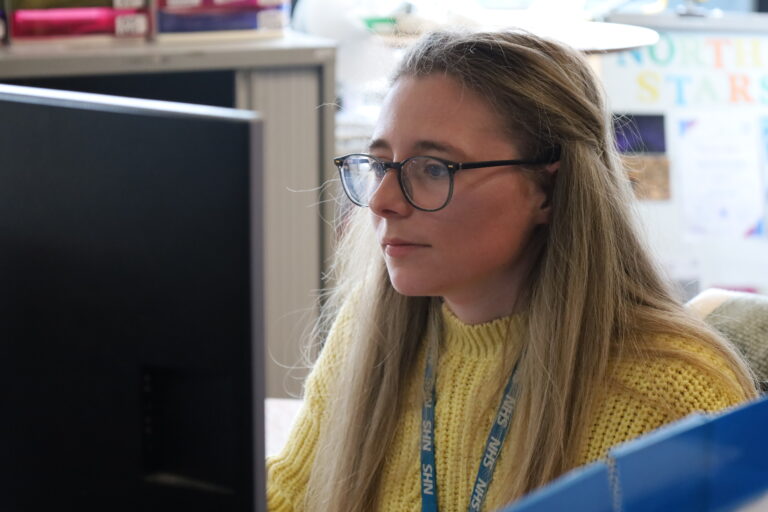
A whole army of NHS staff who work behind the scenes to make sure patients get the care they need, with the right service, at the right time are being celebrated for Administrative Professionals Day.
Hundreds of admin and clerical workers are based at Royal Bolton Hospital and across Bolton’s neighbourhoods to make sure services run smoothly and that patients are getting the right care.
There are wide variety of roles, including project managers, receptionists, ward clerks, and medical secretaries, and they all play a vital part in how NHS services continue function twenty-four hours a day, seven days a week.
James Mawrey, Chief People Officer and Deputy Chief Executive at Bolton NHS Foundation Trust, said:
“I want to express my sincere gratitude to each member of our administrative and clerical teams. Their work is the backbone of this organisation, often quiet, often unseen, yet absolutely essential to everything we achieve.
“Every project delivered, every challenge overcome, and every success we celebrate has their fingerprints on it. Their ability to balance competing priorities while maintaining calm, clarity, and consistency is nothing short of remarkable.
“Our organisation is stronger, more capable, and more connected because of our admin and clerical colleagues.”
A day in the life of Bolton’s Neighbourhood MDT Coordinators
To mark this year’s celebrations, the Trust’s Neighbourhood Multidisciplinary Team (MDT) Coordinators have offered a look behind-the-scenes at what a typical day looks like in their roles.
MDT Coordinators and neighbourhood admin work alongside each other in six neighbourhoods across the town, supporting each of the teams.
The MDT coordinators arrange meetings for health and social care professionals every week and process referrals to ensure patients get appointments for the right professional, at the right time, in the right place.
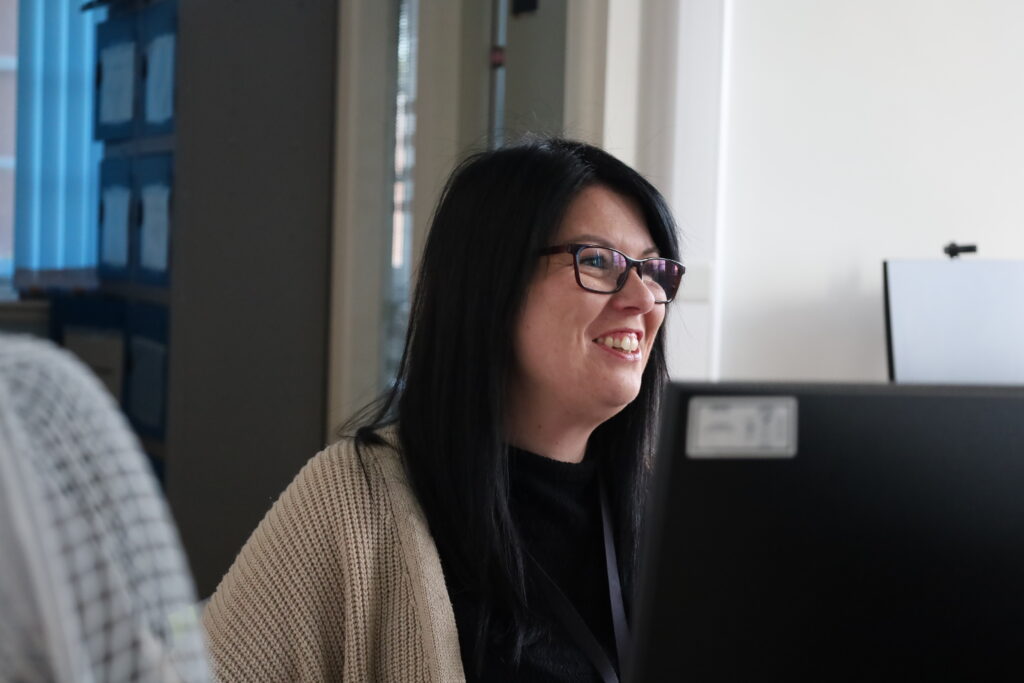
At 8.30am, MDT Coordinator, Rebecca Riley, is starting her day at Farnworth Town Hall by checking the email inbox for referrals from GPs, social care, NHS services and external agencies.
“I’m the MDT Coordinator for the South and Central South neighbourhhood in Bolton. An MDT meeting sees health and care professionals come together to discuss any patients that might have extra health and care needs, and different services will look to help that patient with any difficulties that they might have.
“Everything is different from day to day. After checking the MDT inbox for referrals, we’ll then check which area they are from using our postcode checker. This makes sure they’re receiving care from services closest to the place they call home.”
The coordinators use a range of systems to make sure health and care professionals have all the relevant information they need about each patient ready for the MDT meeting.
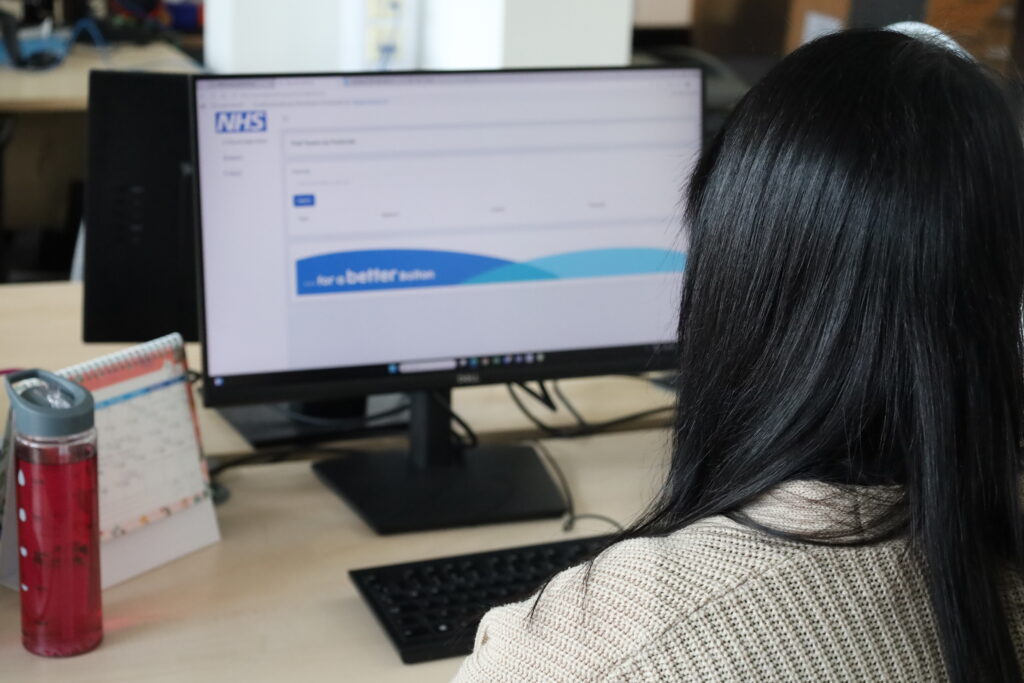
They make sure the right services attend the meeting and will arrange time slots for patients once a referral has been made.
Rebecca added:
“People may not be aware of all the cogs that are moving behind the scenes to make sure everything runs smoothly.
“I love knowing that we’re supporting patients to get the help they need and that every day is so different.”
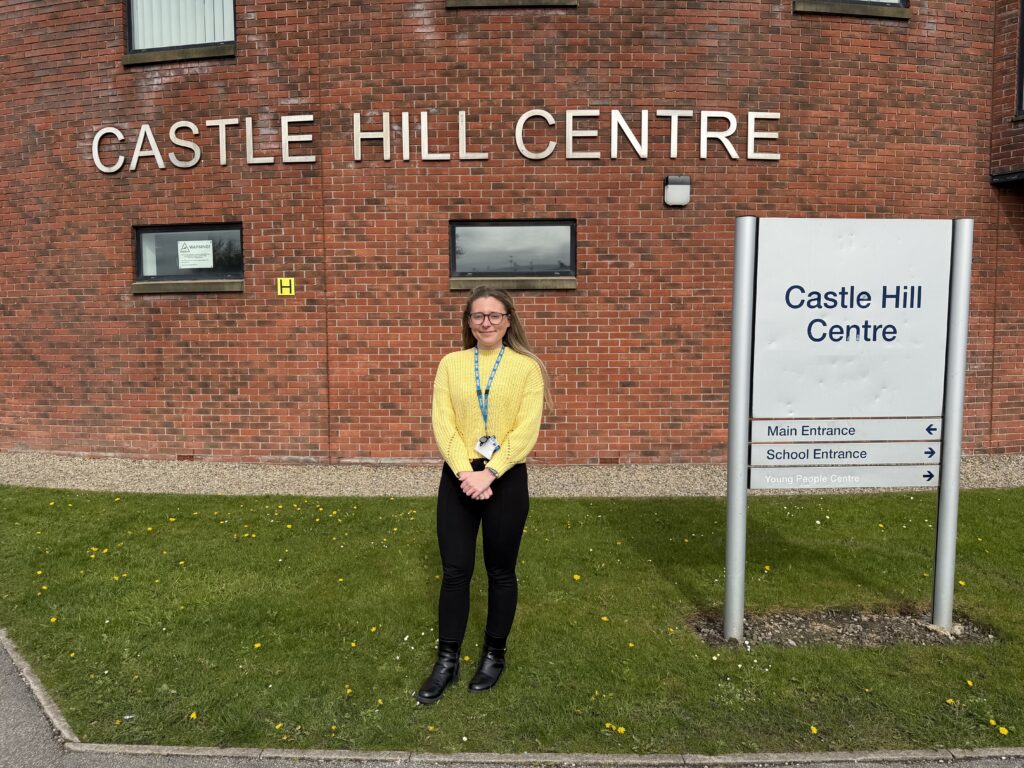
Later in the morning at Castle Hill Centre in Tonge Moor, Olivia Poulsom, the MDT Coordinator for the North and East neighbourhood, is making the final preparations to documents and referrals for the day’s MDT meeting at 11.30am.
“On the day of the MDT, I print all the paperwork off to make sure it’s ready and then during the meeting itself I’ll take the minutes to ensure all the actions are documented. Patients won’t realise all of this work that happens in the background.
“It’s really important we’re there as we carry out a lot of checks in the background to make sure the information is correct and available so that our patients get the best support.”
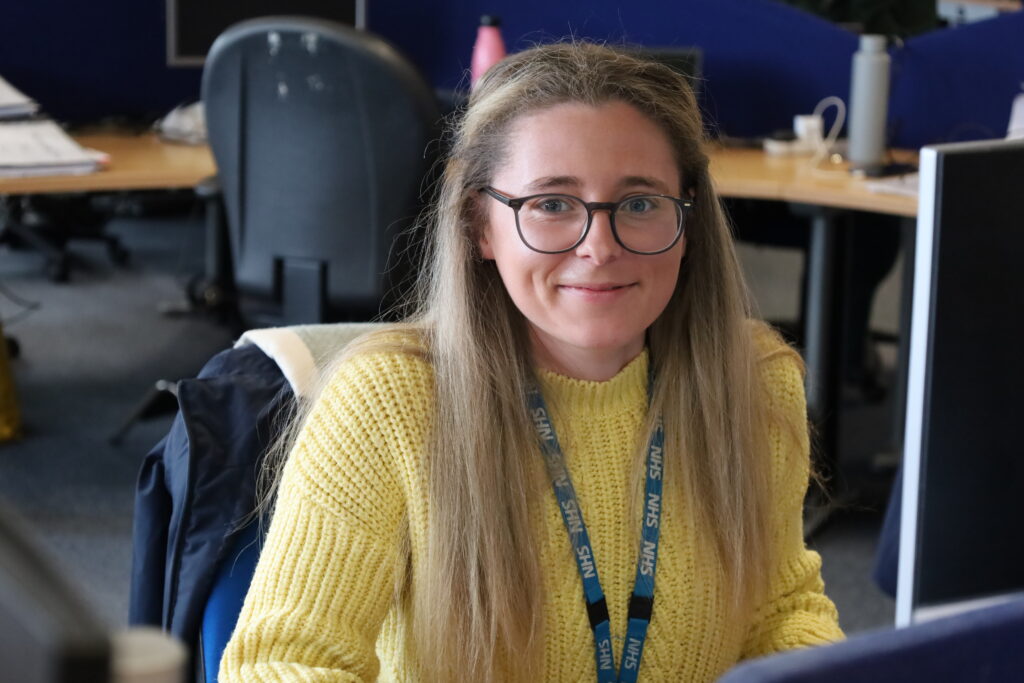
Lucy Parkin, the Community Therapy Team Lead for the North Neighbourhood, explained why the MDT Coordinators and other admin roles are so important for NHS services.
“They’re vital to supporting me in my role because of the organisational skills that they have, keeping us on track with our caseloads, and processing all the new patients that come through.
“I think it’s important to recognise that colleagues like Olivia are often the first point of contact for our patients and the team. They make sure we have all the information we need and keep the team ticking over.
“They’re like the backbone of our services because they ensure everything runs smoothly.”
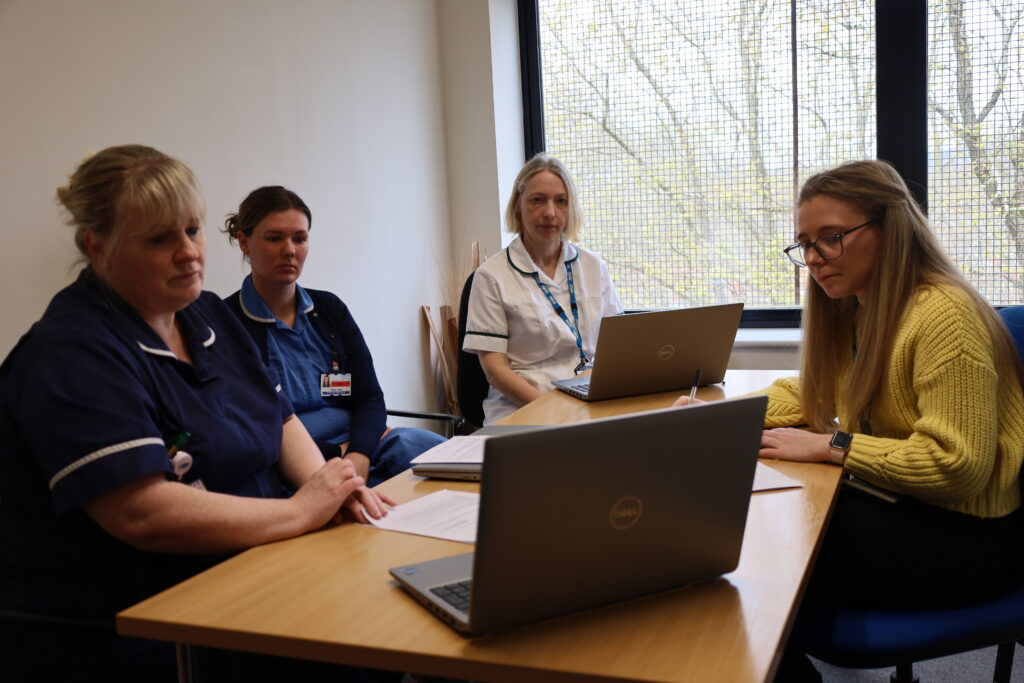
During an MDT meeting a number of actions are created for different health and care services to follow-up that ensure patients get the the treatment they need, such as medications.
It’s 12.45pm, and at Winifred Kettle Centre in Westhoughton, Julie Killas-Riding, the MDT Coordinator for the West and Central North neighbourhood, is finalising her minutes from their MDT meeting.
Julie said:
“We record any actions that have been discussed for health and care professionals to do. So once the meeting has finished, all these actions are uploaded on to the patient’s Greater Manchester Care Record (GMCR), which is a vital digital tool that brings together patient information from NHS and care services in Greater Manchester into one joined up record.
Julie then sends copies to the relevant people that are working to support each individual paper, which includes GPs.
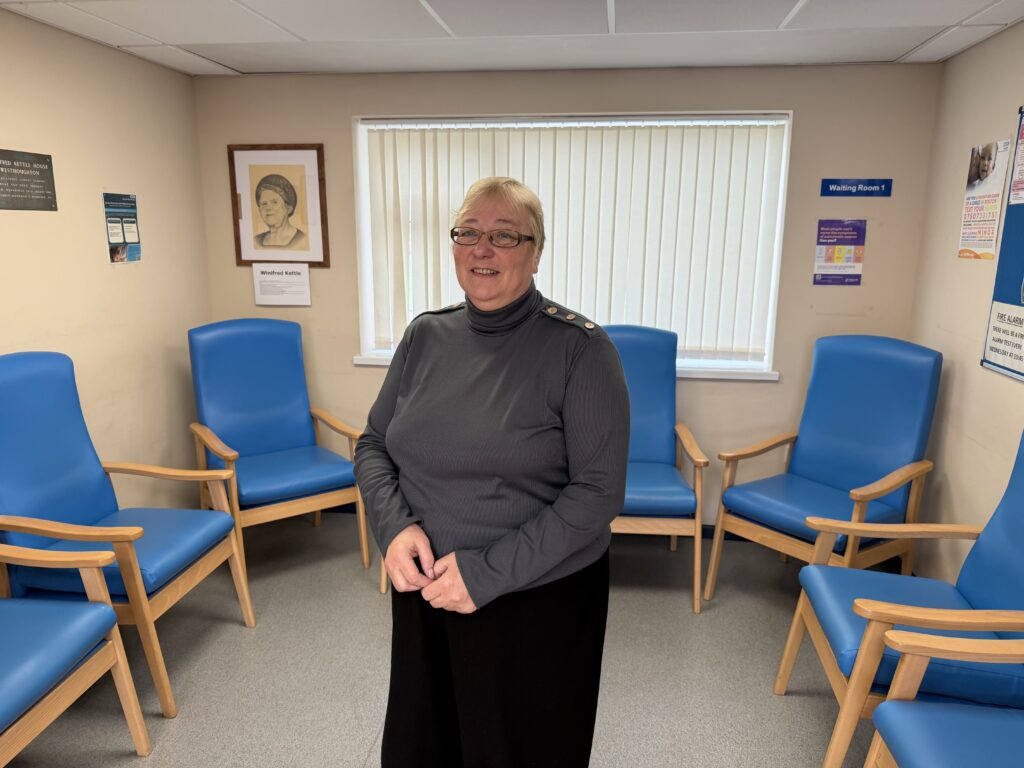
“It provides a faster response and improve what our patient’s experience. There could be three or four referrals that are action straight away from that one MDT meeting
“I enjoy bringing people together to support our patients, and whilst we can’t all be on the NHS frontline, there are lots of people working behind the scenes to make sure everything is happening as it should be.”
You can hear and read more from Bolton’s admin and clerical workers on Bolton NHS Foundation Trust’s Facebook, Instagram, TikTok and LinkedIn. For more information about a career in the NHS in Bolton, please visit the Trust’s website.