- Dedicated team supporting more than 30 people home from hospital every day
- Discharge Facilitators work with patients from the day of admission to agree discharge plan
- Two of the team showcased what their role involves in the latest ‘A day in the life of’ series
More than 30 people are being supported to safely return to the place they call home every day, after receiving the treatment they need at Royal Bolton Hospital.
A team of 11 Discharge Facilitators spend time on the hospital’s wards, working with patients on the day of admission, to see what help they need to leave hospital by linking in with services across the NHS and social care.
This includes meeting with nurses, medics, pharmacists and physiotherapists each morning to see which patients might be ready for discharge and understand what their individual needs are and what steps need to be taken to support them.
On Tuesday 14 July, two of the hospital’s Discharge Facilitators showcased what their role involves in the latest ‘A day in the life of’ social media series.
A day in the life of Discharge Facilitators
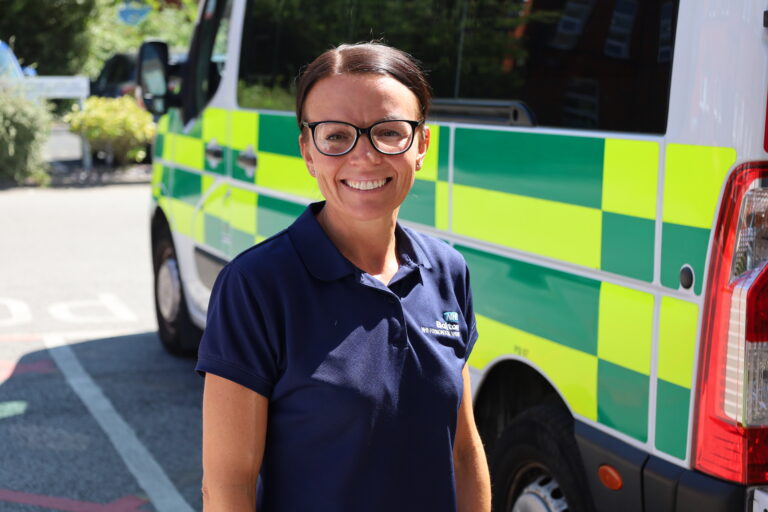
At 8.15am, Discharge Facilitator, ‘Sarah’, starts her day by going through the patient lists for two of our surgery wards, E3 and F3.
She’s reviewing what packages of care patients might need to help them return to the place they call home, or what ‘Sarah’ describes as their ‘exit plan’.
‘Sarah’ joins her first multi-disciplinary team meeting just after 9am. Also in the room is a pharmacist, a physiotherapist and a ward nurse.
They’re reviewing how patients recovering and looking at what further support they might need. It’s here where they agree what packages of care patients will need to make sure they continue a healthy recovery after leaving hospital.
‘Sarah’ explains it’s more effective to review discharge options as early as possible to avoid any missed opportunities.
“We do speak to a lot of people. We are very well known in the hospital. As well as going on the wards and making sure our patients are happy, we’re trying to alleviate a pressure from the nursing staff on the wards.
“Before MDT I prep the notes. Prepping involves us looking at the patients, looking at if they are out of area, if they have packages of care, will they need anything on discharge, do they have discharge plans on place. Making sure on that discharge day everything is running smoothly.”
As soon as the morning MDTs finish at 10am, ‘Sarah’ jumps into action to immediately follow-up on some of the actions they all agreed.
This can include calling other services within the NHS and partner organisations, such as Bolton Council, to make sure patients have what they need when they get home.
“A Discharge Facilitator is exactly what it says on the tin – we facilitate the discharges. We will look at any discharges leaving the wards – what do they need? Have they got discharge letters? Have they got the take-home medications? Do they need transport?
“We review the patients, identifying who is medically fit for discharge. Can they leave that day? It’s about asking if not, why not? What is holding them up?”
Once the initial follow-ups are complete, ‘Sarah’ makes her way to the hospital’s Discharge Unit, a comfortable space for people to wait before family, friends or transport services are ready to collect them.
It’s a vital part of making sure the hospital keeps moving by freeing up hospital beds for people who are waiting to come in for treatment.
“If a patient is ready, we’ll list them for the Discharge Lounge. I like to chat to the patients to see how they are getting home and making sure they have what they need, such as their house keys or someone at home with them.”
‘Sarah’ speaks to the Discharge Lounge team to let them know who is ready to move across from a ward and between them they make sure discharge letters and medications are ready so people can return home as quickly as possible.
At 10.45am, another of the hospital’s Discharge Facilitators, Elaine Jackson, is on ward B1 making her own follow-up calls for the patients who are ready to leave hospital.
“We use the Discharge Lounge to free up beds on the wards. We can care for them as we would on the wards, they’ll wait there for medications or transport services.”
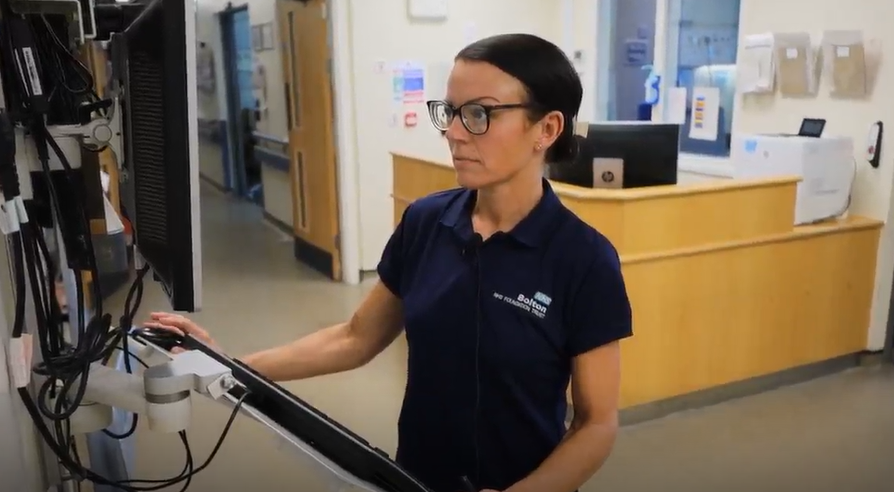
Back in the Discharge Lounge at 11.15am, Elaine is speaking to the transport crews about some of the assessments patients might need when they get home.
It’s another step to make sure the journey out of hospital is as smooth and comfortable as possible.
One of those waiting in the lounge to return home is Michael, who has spent the past two weeks in hospital after falling at home.
“I ended up breaking my hip, my femur and crushing my knees. I’ve been looking forward to going home after being in hospital for so long, I’ve been missing my home.
They’ve been asking if I need any help at home – and I stated that I could do with help because of my stability. I could do with extra handles and have people coming round to check on me as I live on my own.”
Discharge Facilitators put patients at the heart of everything they do, ensuring safe and effective discharges and reducing the rate of re-admission by highlighting what onward services are available to patients.
Elaine added:
“I do love the role as we see them from the day of admission to the day of discharge, and the whole time the patient is trusting you to get them home safely – which makes me feel great.”
For information about choosing the right NHS service, visit Bolton NHS Foundation Trust’s website.