Latest news
A Day In The Life of Bolton’s Admission Avoidance team
- Bolton’s Admission Avoidance team are showing how they’re helping people avoid hospital
- They consistently help 400 people every month avoid a trip to the Emergency Department
- It’s made up of a range of services, including Hospital at Home and Urgent Community Response
A team of highly skilled healthcare workers who are dedicated to providing care out in Bolton’s communities have opened their doors to show how they’re helping people avoid trips to hospital.
The Admission Avoidance team is made up of a wide-range of roles, including Advanced Clinical Practitioners, Social Workers, Consultants and Nurses, who are able to carry out assessments, order tests, diagnose and so much more.
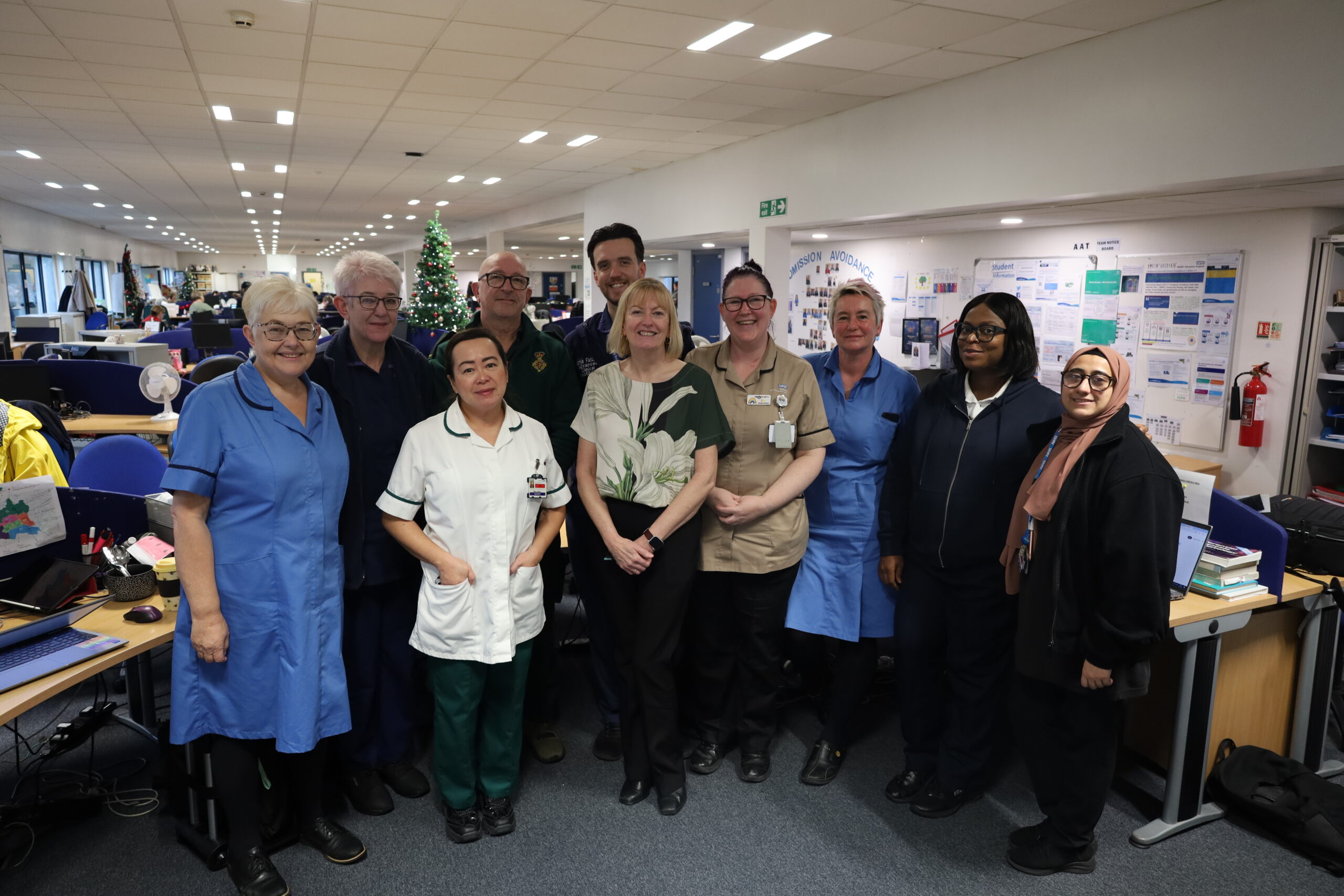
Their aim is to keep a person safe and well at home without the need for an admission to hospital by providing the following services:
- 2-hour Urgent Community Response
- Hospital at Home
- Care home initiative
- Falls Pick Up service
- Call Before You Convey
Patient referrals come to the team from care homes, GPs, 999 and 111, social care, and Royal Bolton Hospital. In October 2025, the Admission Avoidance team received a total of 557 referrals for support in the community.
Figures from Bolton NHS Foundation Trust also reveal the team consistently help 400 people every month avoid a trip to the Emergency Department.
Starting the day with patient visits
It’s just after 8am on Tuesday 9 December and the Admission Avoidance team are already out across Bolton to visit patients who require their help.
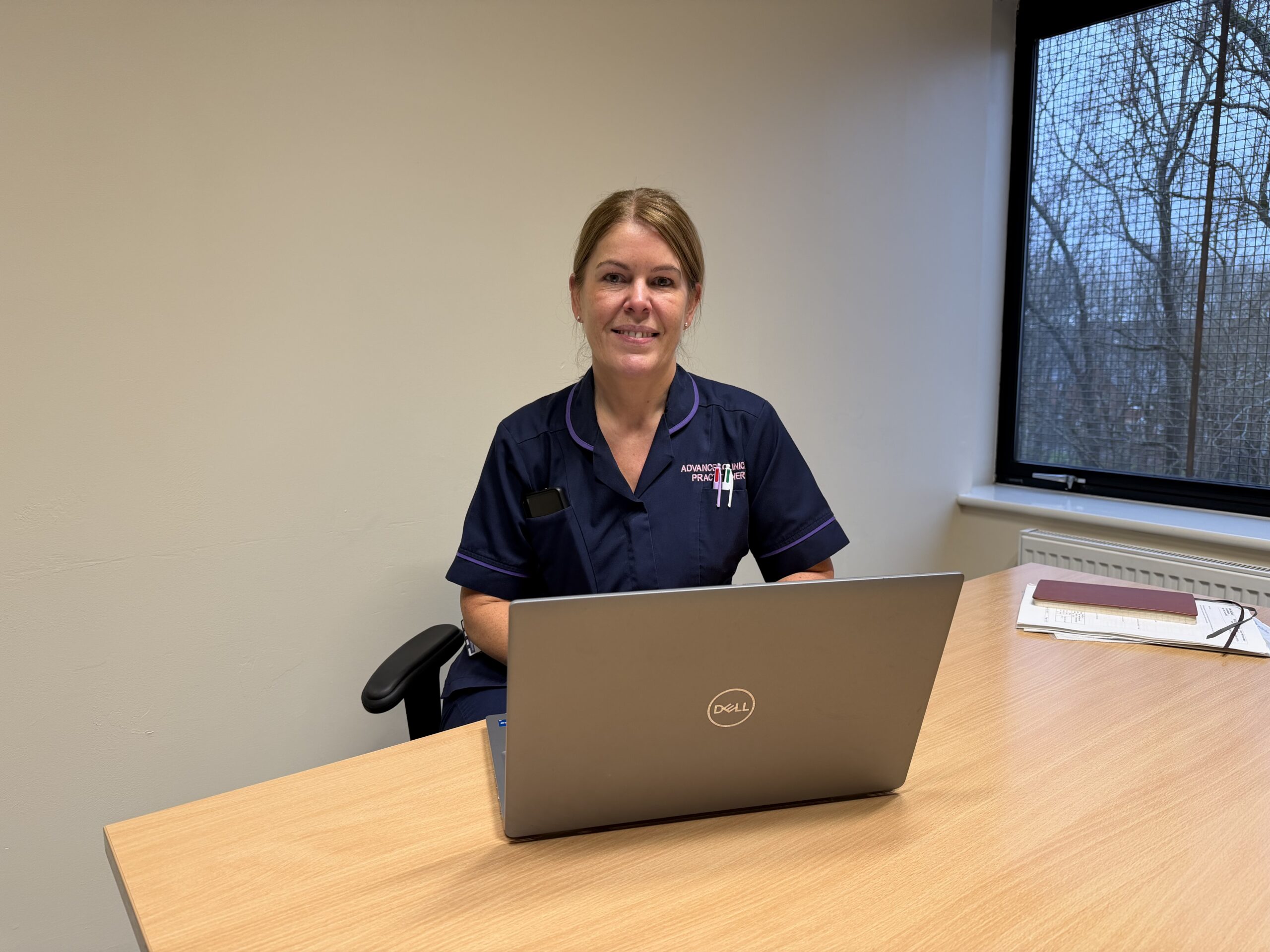
Georgina Follows is an Advanced Clinical Practitioner who has been out to see a 104-year-old patient that’s recently returned to a care home after a hospital stay. Georgina explained how she was able to provide an assessment there:
At the end of October she was treated for a chest infection with antibiotics via the GP, but unfortunately didn’t get better and was admitted to hospital at the start of December.
“I went to see her for a post-discharge review. She’s completed her antibiotics but still doesn’t feel very well. Her chest is still making some low basal crackles and I believe she still has a chest infection.
“Given her age and the fact we want to keep her out of hospital, it’s appropriate we give her more oral antibiotics and we’ll have some advanced care planning discussions with the family so that we can treat her in the community as best we can.
Reviewing patient care
By 11.17am, Admission Avoidance have 22 patient reviews and nine new assessments. All of this activity is helping to keep people away from hospital.
To support, a safety huddle is underway to see which patients require care support so they continue to receive treatment in the place they call home.
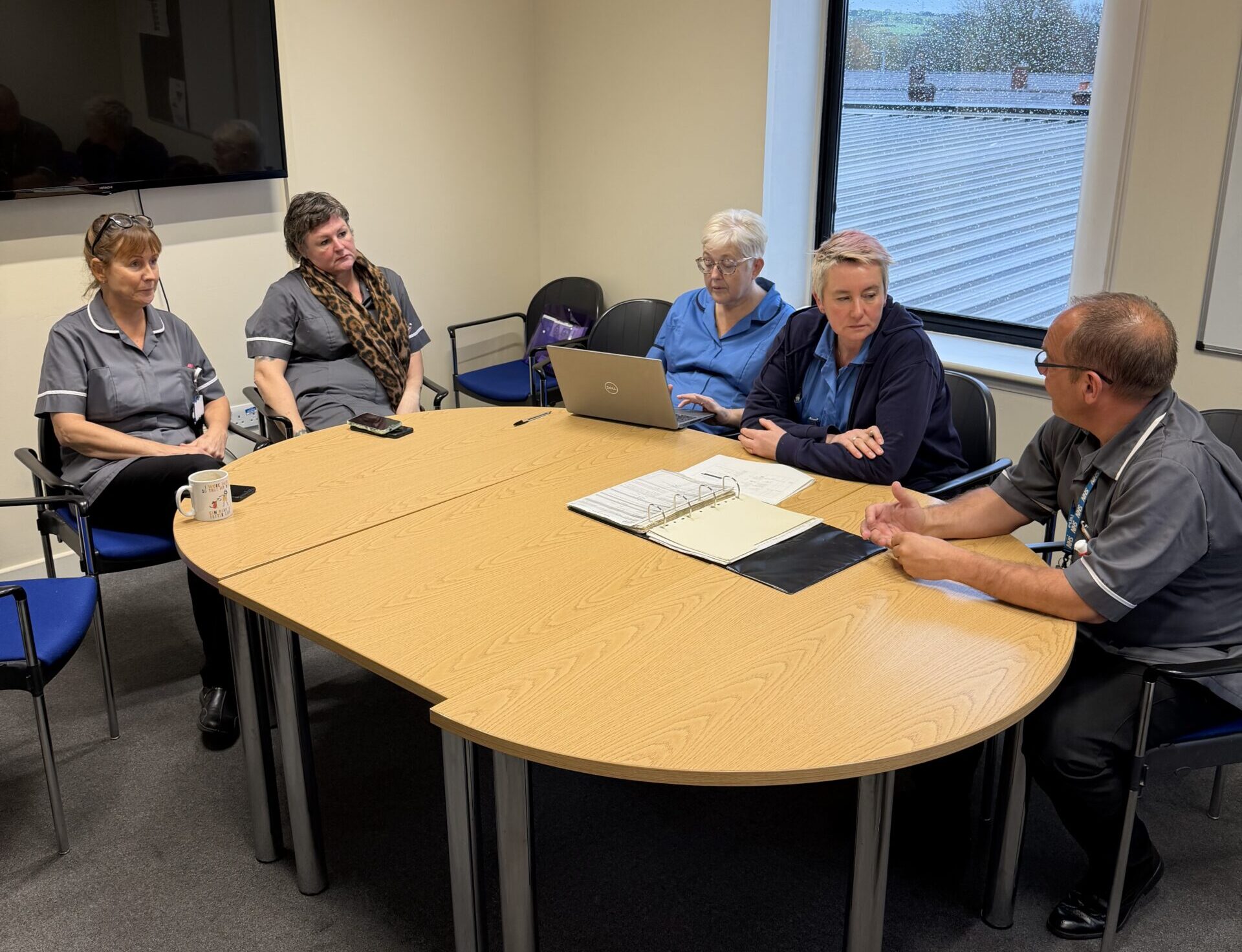
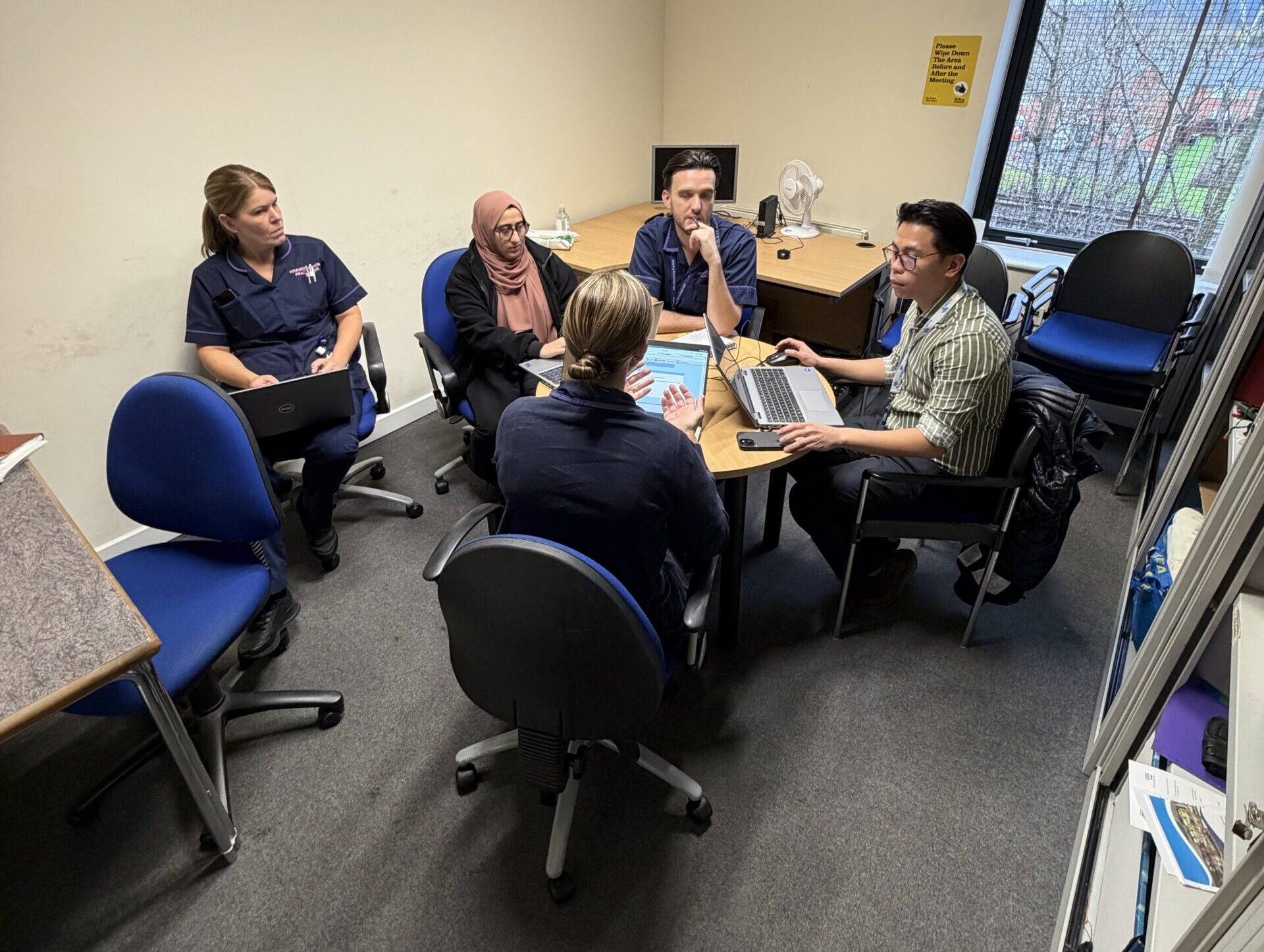
Just twenty minutes later, a team made up of pharmacists, consultants, clinical practitioners, and advanced clinical practitioners are meeting to review patients on the frailty virtual ward.
It’s here where they discuss care management plans, review patient medication, agree assessments and plan discharges, whilst setting actions and linking in with local partners, such as GPs and social care.
Providing support to the Emergency Department
At midday the team receive a call from the Emergency Department at Royal Bolton Hospital, which is facing extreme pressures as patients experience long waits for both assessment and treatment.
This is being largely driven by a high number of attendances and an influx of patients with flu-like symptoms.
To provide support and ease pressure, Admission Avoidance are looking at what calls they can pick up to deliver care in the community and deflect people away from hospital.
Patient visits
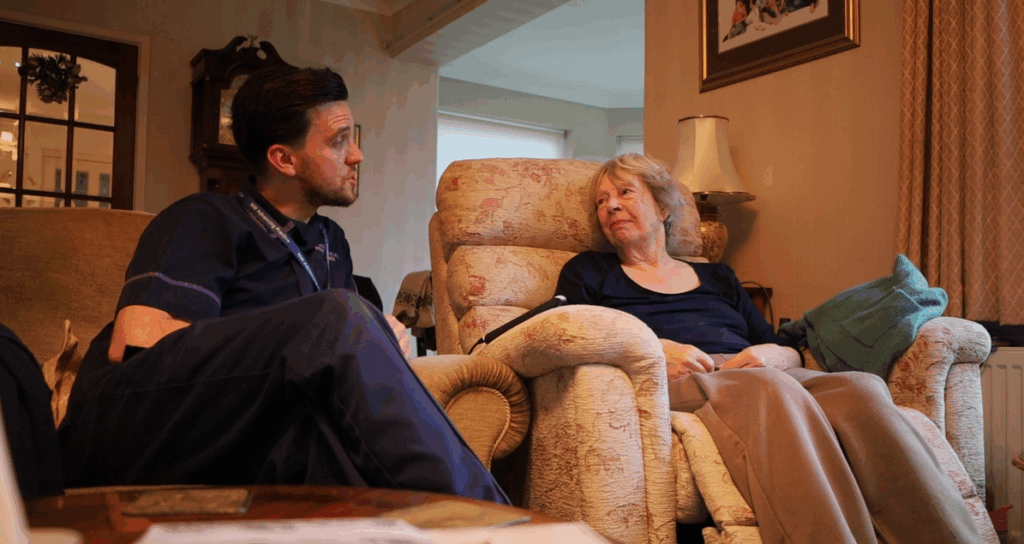
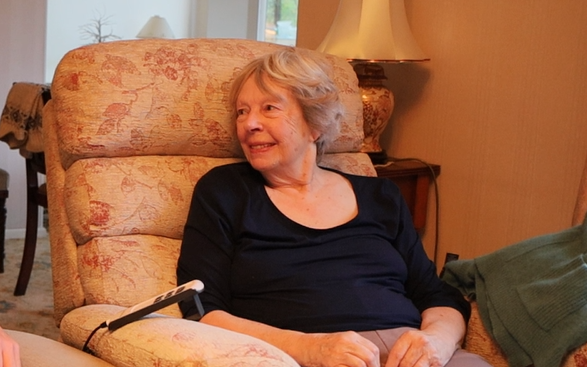
After lunch, Advanced Clinical Practitioner, Jamie Fletcher, is visiting Ann, 87, at her home in Blackrod as part of the Hospital at Home service.
After recently leaving Royal Bolton Hospital, Ann was referred as a follow-up with Admission Avoidance by being placed on a Virtual Ward, where she can continue to receive care from the comfort of her own home.
Jamie said:
We’ve been out to see Ann a few times to make sure she’s comfortable and recovering well. Ann’s had a lot of inputs from our geriatricians, from the Advanced Clinical Practitioners like myself, Clinical Practitioners and pharmacists and other members of the multi-disciplinary team.
“Since we’ve been involved with Ann over the past few weeks, she’s not had any further admissions to hospital and we’ve managed to keep her comfortable and safe in her own home. This means she hasn’t needed to go back to the hospital.
Speaking to Jamie during the home visit, Ann said:
I’m still shaky, but I’m feeling much happier being at home and more confident that I will get better. I’m improving day by day.
“All of my care was put in place which includes calls in the morning to see how my blood pressure was to medication, which I worried about getting the right tablets. They sorted all that and took all that stress off me and it was lovely being at home. I really feel I will recover a lot quicker.
“I felt very safe. I was still being monitored and looked after and there was always a phone number I could ring if things got worse.
“It was lovely to be with my family. I’m on the mend. I’ve found all of the Admission Avoidance team a godsend, really.
Urgent Community Response
As Jamie was with Ann, he received a referral from the clinician at North West Ambulance Service, who are embedded within the Admission Avoidance team. It was for a 2-hour Urgent Community Response call, which aims to provide care to people in their homes within two hours and helps to avoid hospital admissions.
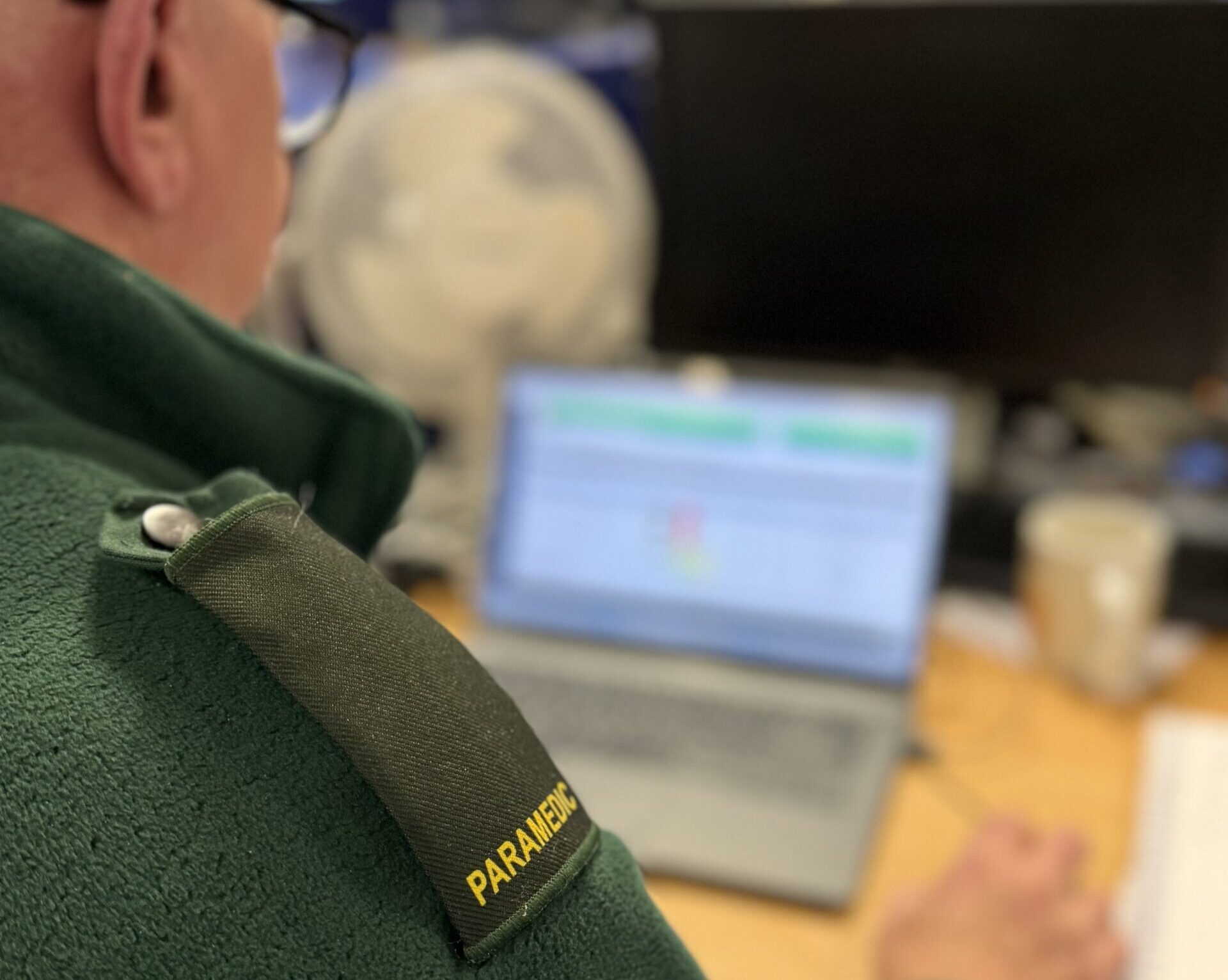
After taking the call at 2.15pm he was with the individual within 45 minutes and provide a medical assessment.
Jamie explained:
This referral was for an 82-year-old woman who has dementia and her carers expressed concern following a visit this morning as the lady complained of pain and wasn’t her usual self.
“I’ve been in to assess her and she has a high temperature. It’s quite a complex case because she has dementia and wasn’t able to provide her medical history. To make sure she’s safe and well, I’ve liaised with the carers and her family and we’ve agreed a management plan, taken some bloods and we’ll be seeing her on a daily basis over the next few days.
“Thanks to this service it means patients, like this, are able to stay at home with their routine and people they know and avoid needing to visit or stay in hospital.
You can see the full coverage of the ‘Day In The Life of Admission Avoidance’ on Bolton NHS Foundation Trust’s Instagram page.